
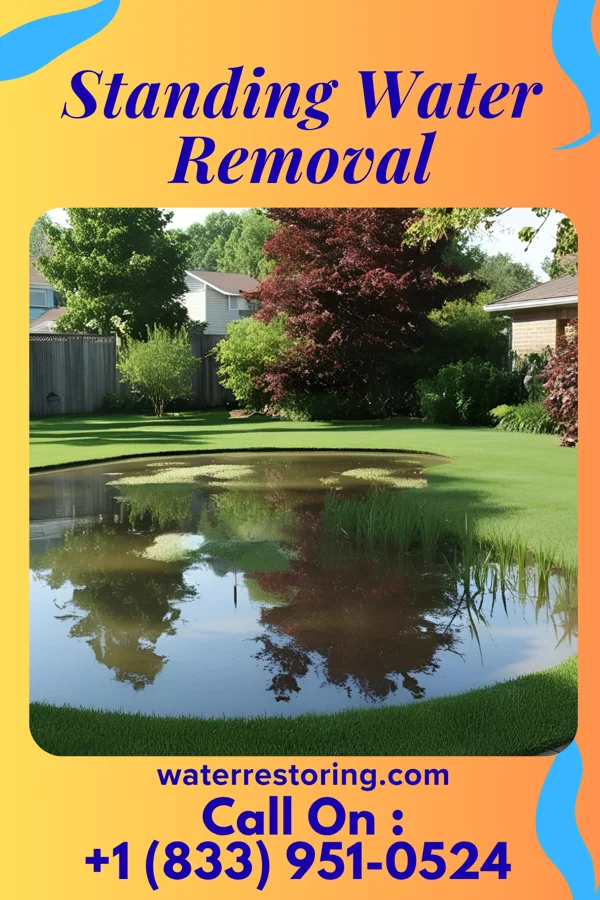
Standing Water Across Denver Neighborhoods
Every neighborhood in Denver has a different water damage risk profile. The one that shows up on most restoration calls is In Denver, Missouri, the primary cause of water damage is often due to leaking plumbing systems, particularly in older homes with outdated pipes. Additionally, heavy rainfall during spring and summer can lead to basement flooding, especially in rural areas near Allendale and Worth.. A close second is Secondary causes include burst water heaters, overflowing toilets, and roof leaks during severe weather. In some cases, improper drainage around properties can lead to water seeping into basements and crawl spaces..
Denver's climate features hot summers and cold winters, which can cause pipes to freeze and burst in winter, while heavy spring rains increase the risk of flooding. Humidity levels can also contribute to mold growth if water is not properly dried.
Water damage in Denver follows a few local patterns. In Denver, Missouri, the primary cause of water damage is often due to leaking plumbing systems, particularly in older homes with outdated pipes. Additionally, heavy rainfall during spring and summer can lead to basement flooding, especially in rural areas near Allendale and Worth. accounts for the bulk of our calls. Denver's climate features hot summers and cold winters, which can cause pipes to freeze and burst in winter, while heavy spring rains increase the risk of flooding. Humidity levels can also contribute to mold growth if water is not properly dried. Mold can develop quickly in Denver's humid summers, especially in poorly ventilated areas like basements and crawl spaces. Prompt water damage response is critical to prevent mold growth and protect property value.